Disarmament: Nuclear Risks, Youth & AI in Warfare
Executive Summary
Session 6 tackled nuclear risk, AI in warfare, gender, climate, and youth leadership. Insights from UNRCPD and the Disarmament Toolkit 2025.
Hello friends,
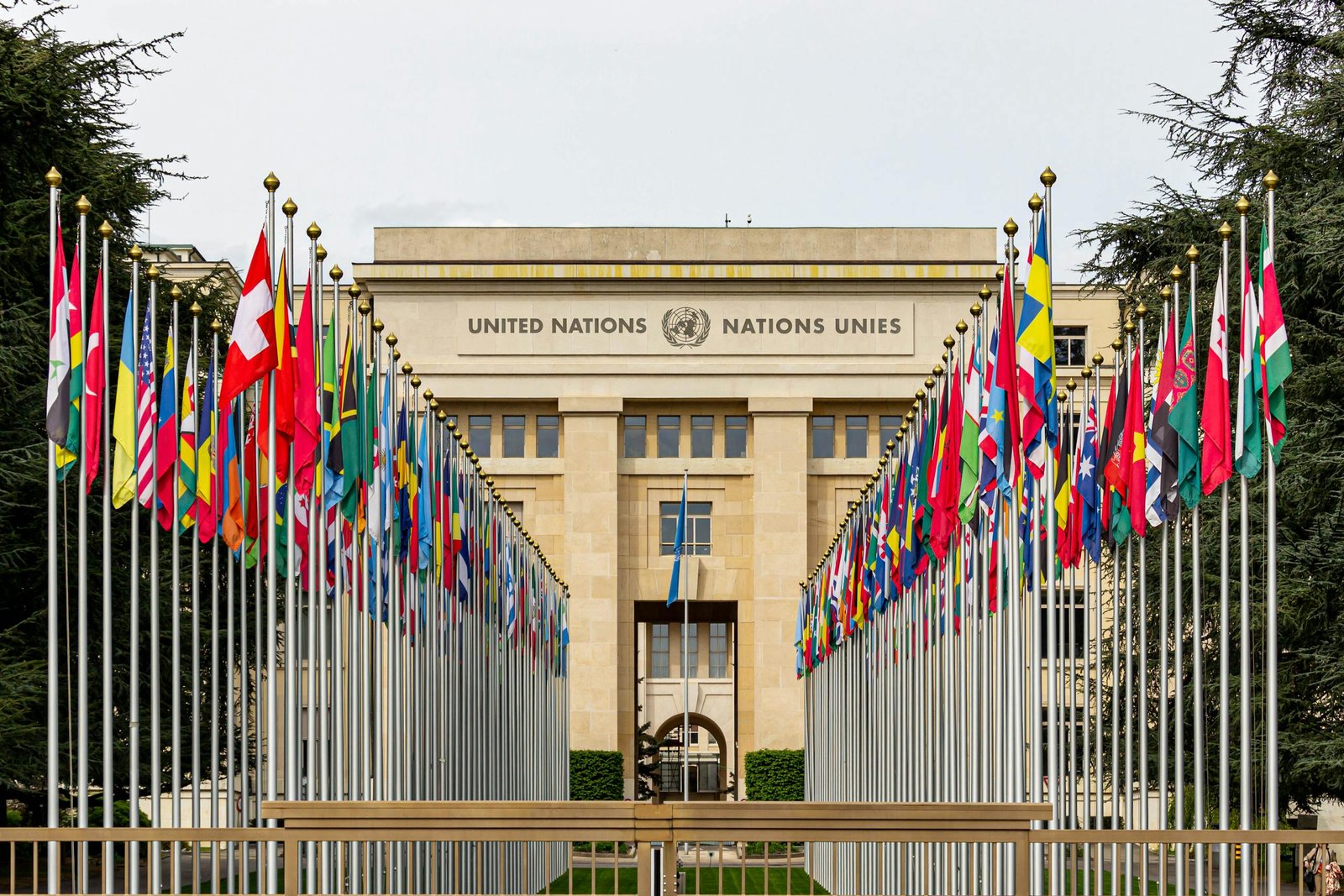
I just wrapped up Session 6 of the Disarmament Toolkit 2025 with the UN Regional Centre for Peace and Disarmament in Asia and the Pacific (UNRCPD), and I’m still buzzing. Three hours with practitioners, diplomats, scholars, and youth leaders from across the world will do that to you, especially when the conversation ranges from nuclear risk and treaty erosion to gender, climate, and the very real stakes of militarised tech. If you care about peace, human dignity, or simply the future you’ll wake up in tomorrow, this space matters.
A quick note before we dive in: if you’ve ever wondered whether these convenings actually translate into outcomes—yes. The UN Secretary‑General’s report on the military use of AI has been one of the most consequential documents of the past few years, and it’s frankly surreal to see my own contributions reflected in it. Watching ideas travel from late‑night drafting sessions into official UN text is a reminder that civic voice can still shape international norms, even in hard‑power domains.
What made this session special and very important
We opened with a powerful scene‑setter by scholar‑activist Sadia Tasleem, who pulled zero punches:
- Global military spending just hit a record $2.7 trillion(!!!).
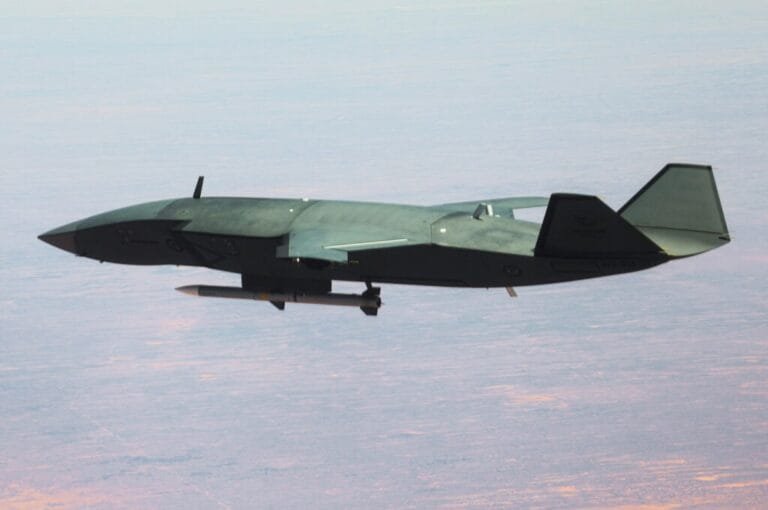
- Nuclear‑armed states are modernising. Hypersonics, AI in command-and-control, autonomous systems, and the militarisation of space.
- Arms control is fraying (RIP INF; New START in limbo).
- Environmental stress is becoming a conflict accelerant (think India–Pakistan water scarcity).
- Authoritarian drift and toxic nationalism are normalising secrecy and violence.
That sounds bleak because it is, but the thread running through the entire session was persistence, clarity, and coalition. Disarmament isn’t romantic. It’s a grind. It’s also absolutely necessary.
The Youth Leader Fund: where training meets traction
James Cooke from UNODA gave a behind‑the‑scenes look at the Youth Leader Fund (YLF) launched by Japan: a multi‑phase, multi‑year pipeline that actually equips young people (18–29) to learn, practice, and implement projects. The scale is real: 8,500 applications for phase two, 100 participants from 62 countries, mentorship from phase‑one alums, and (crucially) small but meaningful stipends and placements that convert theory into action.
My favourite proof point: a participant in Thailand built a Thai‑language disarmament education toolkit for educators, creating a multiplier effect no international headquarters could have delivered alone. This is what good design looks like. Local language, local ownership, global standards.
Gender, intersectionality, and civil society’s superpower
Bianca Pabotoy’s session is one I wish every policy shop could bottle. She didn’t just argue for gender perspectives and intersectionality in arms control, she showed how they shift outcomes. Civil society adds three things institutions struggle to manufacture on their own:
- Ground truth. Survivors, local leaders, and communities make policy claims falsifiable. If it isn’t in the room, it won’t be in the document. And if it isn’t in the document, it rarely happens.
- Accountability. Shadow reporting, targeted lobbying, and relentless follow‑up keep commitments from dissolving into press releases.
- Creative reach. From youth workshops in Burundi to public campaigns in Mexico and inter‑school art in Nepal, she mapped ways to move disarmament beyond conference halls and into public imagination.
Her most valuable tactical advice: build consistent relationships with officials (even if that means hallway hustles and coffee‑line pitch‑decks), bring survivor testimony or documented lived experience into the room, and translate highly technical topics into intelligible, culturally resonant language. Policy moves when people understand themselves in its frame.
Youth panel = realism without resignation
The youth panel (Safayet Zamil Nowshan (Bangladesh), Elisa Shafiqah (Malaysia), and Kashaf Sohail (Pakistan)) was a masterclass in how to navigate formal processes without becoming captive to them.
- Safayet emphasised empathy + accountability: behind every statistic is a human story, and behind every promise must be a delivery mechanism. He’s right. Trust is a currency in politics, and youth advocacy earns it the hard way.
- Elisa was brutally honest about the gatekeeping in multilateral spaces, jargon, process theatre, and the “intimidation by design” that keeps participation thin. Her antidote: frame arguments in national context, use whatever door opens (even if it’s the coffee line or, yes, the corridor outside the ladies’ room), and refuse to surrender your creativity on the altar of “how things are done.”
- Kashaf named the elephant many of us sidestep: in nuclear‑armed regions, deterrence is sold as dignity. Demystifying that narrative takes relatable reframing (schools vs. stockpiles, health vs. fallout) and relentless representation. Not everyone can get to Geneva or New York, but the work can still be distributed, digital, and real.
Five takeaways I’m carrying forward
- The deterrence story is hegemonic. Change the story. If the only “security” narrative in circulation is bigger arsenals, then disarmament will always look naive. We need empirically grounded counter‑narratives that show what safety looks like in human, not just military, terms.
- Education must be multilingual, multimodal, and local. The most impactful outputs aren’t always glossy reports; they’re teacher toolkits in Thai, radio call‑ins in the DRC, and youth dialogues in Pakistan. Global norms stick when they’re teachable at home.
- Intersectionality isn’t a box to tick; it’s a lens that improves accuracy. Gendered impacts of weapons, the climate‑conflict nexus, and democratic erosion under secrecy cultures aren’t side notes, they’re the operating environment.
- Persistence beats posture. Treaties collapse, windows close, and then, suddenly, they open. Build repositories, evidence bases, and ready‑to‑deploy proposals during the “morbid symptoms” period. When the opening comes, speed is policy.
- Youth networks are force multipliers. They break open closed rooms, build community, and train leadership in public. If your first reaction to a youth application is “thin resume,” look again. What you might be seeing is a pipeline failure you can fix.
On AI in military use and why the SG’s report matters
I’ve been deep in the weeds on the governance of AI in military contexts: command‑and‑control reliability, escalation dynamics, human‑machine teaming, and what accountability even means when lethal decisions are computationally mediated. Seeing the Secretary‑General’s report grapple with these questions (and knowing I played a part in shaping that text) was a moment. It’s crazy to think how significant this document is for setting global expectations in a domain moving faster than our treaties, and how a contribution from someone like me can travel into something that will be cited, debated, and (hopefully) operationalised.
If you’re looking for an entry point: start where you are
- Learn: UNODA’s Disarmament Education Dashboard is a generous rabbit hole. Pair it with reporting from SIPRI and ICAN, then follow regional centres like UNRCPD.
- Join: YLF will open again in 2027. CTBTO Youth Group, Youth for TPNW, and climate–disarmament intersections via YOUNGO are active now.
- Build: If your country doesn’t have accessible materials, make them. If your university doesn’t teach this, host a seminar. If your media doesn’t cover it, write the op‑ed.
- Translate: If your community speaks in stories, tell stories. If it thinks in numbers, show costs. If it trusts faith leaders, brief them.
Gratitude roll
Huge thanks to UNRCPD’s team. Racquel Correa for the seamless facilitation; Aaron Junhoung Yoo and Seongwoo for the connective tissue (and all the work in coordinating these meetings!); and to all the speakers who made the time. Also: to everyone who showed up live, asked hard questions, and kept the chat vibrant, you make this work feel like a community.
If you were in Session 6 and want to connect, you can find me on LinkedIn or Instagram. If you weren’t, but this sparked something, I’d love to hear what you’re building, especially if it lives at the intersection of tech, security, and human rights.
We don’t get to choose the era we’re born into. We do get to choose the rigour of our response.
Onward,
Avi
P.S. Don’t let logistics dull the momentum. Finish the readings, publish your reflections, and keep going. Momentum is a habit. SEO notes for the curious (and for discoverability): disarmament, nuclear disarmament, UN disarmament, UNRCPD, Youth Leader Fund, CTBTO Youth Group, Treaty on the Prohibition of Nuclear Weapons, AI in military use, UN Secretary‑General report on AI, gender and disarmament, intersectionality, climate and security.

Avi is a researcher educated at the University of Cambridge, specialising in the intersection of AI Ethics and International Law. Recognised by the United Nations for his work on autonomous systems, he translates technical complexity into actionable global policy. His research provides a strategic bridge between machine learning architecture and international governance.