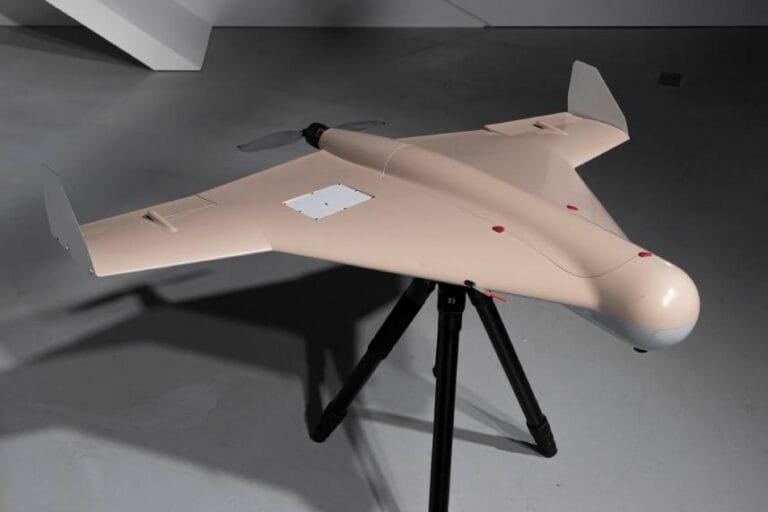
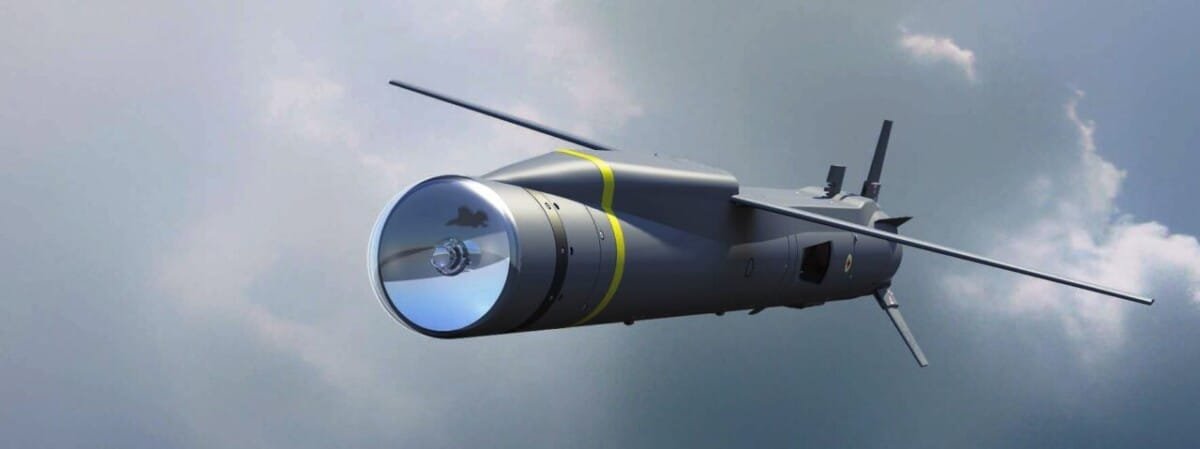
MBDA Spear-3 Missile – Orchestrike AI
MBDA Spear-3 Missile – Orchestrike AI
The SPEAR-3 missile has been in development since 2006. With the integration of the Orchestrike AI system, the missile is now reportedly capable of operating in swarms while also autonomously detecting and engaging nearby targets. The recent introduction of the SPEAR-EW, an electronic warfare variant, allows for additional methods of attack.
 (Credits: MBDA)
Basic Weapon Facts
I. Background
- Manufacturer: MBDA
- Suppliers: Unknown
- Country of origin: France, United Kingdom
- Developmental stage: In development with operating capability expe
- System version: SPEAR-3 and SPEAR-EW (electronic warfare vari
- System type: Loitering Munition
II. General Specifications
| Parameter | Specification |
| System dimensions | 2 m |
| Weight | 100 kg |
| Max payload | Unknown |
| Max operating time | Unknown |
| Max operating Distance/Reach | 137 km |
| Max speed | Unknown |
III. Autonomy
Autonomous Targeting capabilities:
The SPEAR-3 missile is reportedly capable of autonomously detecting and engaging nearby targets.
Swarming:
Orchestrike AI, developed by MBDA, enables SPEAR-3 missiles to communicate and operate as a swarm. The combination of SPEAR-3 and SPEAR-EW missiles allows for coordinated attacks while simultaneously jamming enemy equipment.
Sources
- Manufacturer website:
https://www.mbda-systems.com/spear - News reports:
- SPEAR Mini-Cruise Missile Getting An Electronic Warfare Variant To Swarm With Is A Huge Deal (TWZ)
- Putting the ‘strike’ in UK carrier strike – the SPEAR 3 stand-off weapon (Navy Lookout)
- SPEAR Missile (Think Defence)
- The British pick MBDA’s Spear 3 cruise missile for their F-35s (Defense News)
- Aimpoint selection: the UK’s SPEAR Cap 3 air-to-surface weapon (IHS Janes (Archived))
- Lockheed Martin reveals SPEAR cruise missile candidate, packaging SMACM for UK strike weapon requirement (Flight Global)
 (Credits: Eurofighter)

Avi is a researcher educated at the University of Cambridge, specialising in the intersection of AI Ethics and International Law. Recognised by the United Nations for his work on autonomous systems, he translates technical complexity into actionable global policy. His research provides a strategic bridge between machine learning architecture and international governance.