S-71M Attack Drone
S-71M Attack Drone
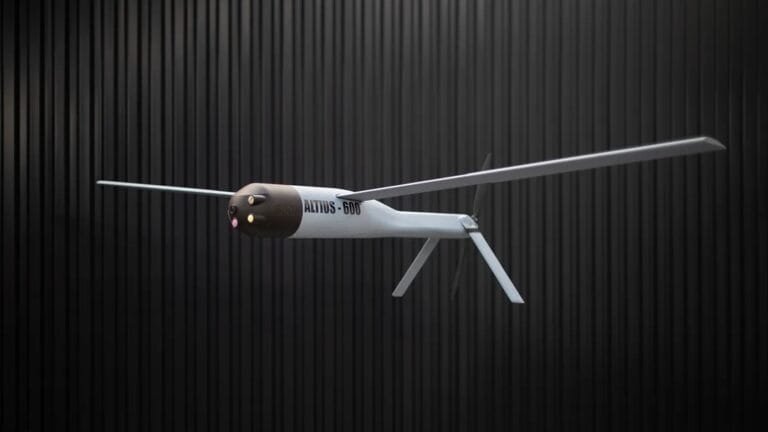
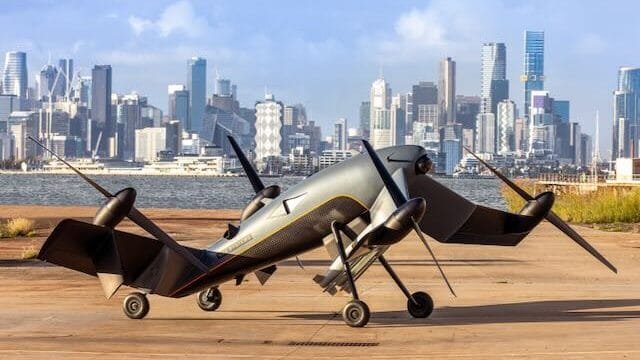
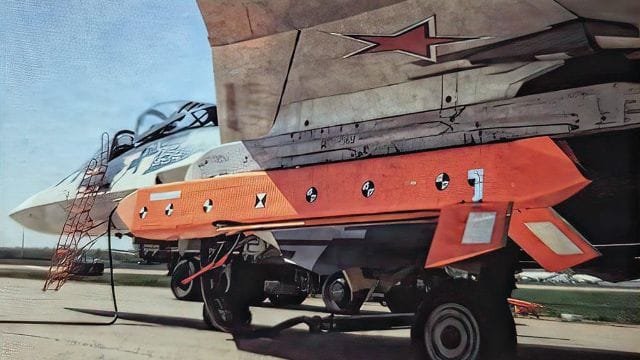
There is limited information on the S-71M attack drone. Russia has approved mass production, which may result in their deployment in Ukraine in the coming months. The S-71M is stored on the Su-57 fighter jet and designed for fully autonomous operation.
 (Credits: Bulgarian Military)
Basic Weapon Facts
I. Background
- Manufacturer: United Aircraft Corporation, Sukhoi, MiG, Tup
- Suppliers: In-house
- Country of origin: Russian Federation
- Developmental stage: Approved for mass production (2025)
- System version: S-71M “Monokhrom” (advanced, capable of opera
- System type: Loitering Munition
II. General Specifications
| Parameter | Specification |
| System dimensions | Unknown |
| Weight | Unknown |
| Max payload | Unknown |
| Max operating time | Unknown |
| Max operating Distance/Reach | Unknown |
| Max speed | 0.6 km/h |
III. Autonomy
Autonomous Targeting capabilities:
According to reports, the S-71M variant can autonomously search for, detect, and engage moving targets using electro-optical sensors and onboard targeting data. The system includes an option to keep an operator in the loop to validate targets and guide missiles, but it is also capable of functioning fully autonomously.
Sources
- Manufacturer website:
Not on website - News reports:
- Deployed On Su-57 Stealth Fighters, Russia’s Air-Launched S-71 UAV Threatens Ukraine’s F-16 Operations (The Eurasian Times)
- Sukhoi Su-57 fighter jet seen carrying attack drone under its wings (AND)
- Russian Su-57 appeared with an S-71 attack drone under its wing (Bulgarian Military)
- Russia prepares to deploy Su-57 in battle after latest order (Bulgarian Military)
- Sukhoi S-71 Remote Carrier ‘UAV’ (Secret Projects)
- Sukhoi Unveils Modified S-71 Attack UAV Concepts (Aviation Week)
 (Credits: Fips.ru – patent)

Avi is a researcher educated at the University of Cambridge, specialising in the intersection of AI Ethics and International Law. Recognised by the United Nations for his work on autonomous systems, he translates technical complexity into actionable global policy. His research provides a strategic bridge between machine learning architecture and international governance.